The Best Pool Maintenance Tips for Summer: How a Solar Ionizer Fits In
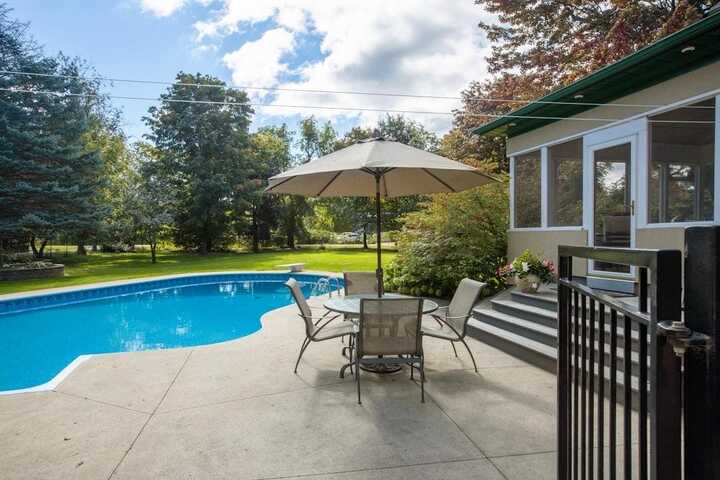
Nothing ruins a summer afternoon faster than murky pool water. But proper pool care doesn’t just make your swimming pool look sparkly; it keeps your pool safe, clean, and inviting.
Regular maintenance can save you time, money, and a whole lot of frustration. By regularly doing things like skimming the surface, vacuuming the floor, and checking the pump and filter system, you can avoid common problems like algae, buildup, and chemical imbalances.
Whether you have an above-ground pool or a full backyard oasis, you can keep everything under control by sticking to a pool cleaning schedule. Fortunately, pool upkeep becomes even less of a chore with a solar ionizer.
Here are the maintenance tips that matter most this summer and all the ways a solar ionizer can help.
Understanding Pool Chemicals
Without the right care, a swimming pool can quickly turn into a breeding ground for bacteria and algae. That means watching:
- pH levels, which should generally stay between 7.2 and 7.8 to avoid scaling or corrosion
- Sanitizer levels, like chlorine or bromine, which kill bacteria and other microorganisms
- Alkalinity and calcium hardness, which affect water clarity and equipment lifespan
Most pool owners use chlorine or calcium hypochlorite to disinfect their pools. While both work well, they can be harsh on skin, eyes, swimsuits, and even the pool itself.
Rather than filling your pool with chemicals, a solar-powered pool ionizer releases trace amounts of copper and other natural minerals to control algae and bacteria.
Regular water testing is essential. With a few simple test strips or a digital reader, you can monitor your pool water weekly to stay ahead of problems.
Pool Filter and Filtration System
The pool ionizer won’t work alone. Your pool’s pump and filter system catches debris, removes contaminants, and circulates water. This is crucial because stagnant water invites the growth of algae and bacteria.
The main types of filters include:
- Sand filters: Simple, effective, and common in backyard pools, these filters use specially graded sand to trap debris. They need occasional backwashing to flush out buildup.
- Cartridge filters: These are great for above-ground pools or smaller systems. They catch finer particles but require removal and cleaning every few weeks.
- Diatomaceous earth (DE) filters: This top-tier filtration catches microscopic particles. These work well but require more upkeep and careful handling of the DE powder.
Regardless of the filter type, don’t skimp on regular maintenance. This includes backwashing (for sand and DE filters), cleaning or replacing cartridges, and monitoring pressure. A pressure spike can indicate the filter needs cleaning.
The pump should run long enough each day to cycle all the pool water through the filter, especially during peak swimming season.
Creating a Pool Cleaning Schedule
There’s no sugarcoating it: pool upkeep is a commitment. But with a consistent cleaning schedule, it doesn’t have to feel overwhelming. A little structure makes pool maintenance almost automatic, keeping the pool swimmer-friendly at all times.
The best cleaning schedules break tasks into daily, weekly, and monthly checklists. Here’s a general idea:
Daily:
- Skim the surface for leaves, bugs, and other floating detritus.
- Empty the skimmer basket.
- Check the pump and filter system to confirm it’s running smoothly.
Weekly:
- Vacuum the pool floor.
- Brush the walls and steps to ward off algae.
- Test the water.
- Clean or backwash the filter.
Monthly:
- Inspect the pump and filter system more thoroughly.
- Check for wear and tear on hoses, seals, or equipment.
- Deep clean tile or waterline scum.
The schedule may vary depending on the type of pool. An above-ground pool might need slightly different care than an in-ground setup. Also, factors such as different climates and pool usage can also affect necessary maintenance.
The Remington Solar Pool Ionizer can turbo-charge your pool-cleaning efforts. It helps suppress algae and reduces the need for chlorine, which, in turn, lowers the frequency of maintenance tasks, especially deep cleaning.
With a consistent schedule in place, regular maintenance becomes a quick and easy part of your routine.
The Importance of Pool Covers
Pool covers are one of the most underrated tools in the pool maintenance arsenal. Tossing one on at the end of the day can save hours of cleanup and more than a few dollars in water and energy bills.
First, there’s the obvious: less debris. With a cover, you’re less likely to see leaves, insects, dirt, or even the occasional frog make an appearance in your pool. That means less skimming, less vacuuming, and fewer filter clogs.
Covers also help retain heat and reduce evaporation, which really matters during peak summer heat. Alternatively, if you’re heating your pool, a good cover will keep that warmth in. And if you live somewhere dry or windy, covers keep water from evaporating so quickly.
There are a few different types of covers to choose from:
- Manual covers: Simple, affordable, and straightforward, they do the job but require a little effort.
- Automatic covers: Although these can conveniently cover the pool with the press of a button, automatic covers come with a higher price tag.
- Solar covers: Designed to trap heat from the sun, these float on the water and double as insulation.
Most covers work with both in-ground and above-ground pools. You just need to make sure the size and fit are right. Remember to clean the cover itself. Over time, it will collect grime and eventually dump it into the water when you remove the cover. As a bonus, keeping your pool cover clean also helps preserve its longevity.
A cover quietly handles much of the daily mess, which helps you spend more time swimming and less time skimming.
Keeping Your Pool Clean With Regular Maintenance
There’s no secret to pool maintenance. It just takes consistency and the right tools. Staying on top of the basics keeps things from snowballing into bigger, messier, algae-covered problems.
Your daily upkeep should include skimming the surface, checking the pump, and emptying the skimmer basket only. While this only takes a few minutes, it goes a long way in keeping the water clear and safe for swimmers. Even a small buildup of leaves or debris can throw off the pool’s balance if it’s left unchecked.
Weekly routines include vacuuming the pool floor and brushing down the walls to prevent dirt and algae from taking hold. Don’t forget to check the pool filter and rinse or backwash it as needed; clean filters mean better water circulation and less cloudy pools.
The Chlorine-Free Sun Shock is another tool that lightens your workload. It’s a solar-powered ionizer that floats in the water and releases minerals that naturally fight algae and bacteria.
With regular care, your water stays clean, the pump and filter system runs more efficiently, and swimmers stay happy. The more often you do the small tasks, the less often you’ll have to deal with major issues.
Pool Cleaning Tips and Techniques
Every pool needs elbow grease from time to time, but using these smart pool cleaning methods can save time, water, and a whole lot of effort.
For your daily tasks, use a net with a telescopic pole to clean up the surface of your pool. They’re inexpensive, simple, and wildly effective.
When it comes to weekly work, don’t forget to vacuum the floor. Whether it’s a manual vacuum or an automatic robot that scuttles around on its own, this step sucks up sand, dirt, and other floor-dwelling grime.
Last but not least, pay attention to the walls with a good brushing once a week, especially along the waterline and behind ladders. Use whatever brush is appropriate for your pool material. The brush should be softer for vinyl and stiffer for concrete or plaster.
The Remington Solar Pool Ionizer won’t replace a vacuum, but it does dramatically reduce algae growth, especially during summer. With fewer algae spores floating in your pool water, every pool maintenance task becomes easier. The pool stays clearer for longer.
At the end of the day, the best technique is to make pool maintenance part of your regular routine. Stay on top of the little things, so they don’t pile up into a massive, weekend-consuming activity.
The Benefits of a Clean Pool
Beyond being nice to look at, a clean pool is safer, healthier, and more enjoyable.
With regular maintenance, everything runs more smoothly. Algae stays under control. The water remains crystal clear. And nobody leaves the pool with itchy eyes or mystery rashes.
There are also financial perks. Your equipment will last longer when the filters aren’t clogged and the pumps aren’t overworked.
On top of that, a sparkling, well-maintained pool adds major value to your life. Whether you’re hosting friends or just unwinding after a long day, clean water can set the whole mood by becoming a peaceful little backyard escape.
Keep Your Pool in Shape All Summer Long
As our maintenance tips have shown, taking care of your pool doesn’t have to be a huge hassle. With the right schedule, tools, and a little consistency, it becomes second nature. With minimal effort, you can keep the water safe, clear, and always ready for a swim.
Solar-powered tools like the Remington Solar Pool Ionizer and Chlorine-Free Sun Shock help take off some of the pressure of this upkeep. By reducing harsh chemicals and limiting algae buildup, they make it easier to stay on pace with your maintenance routine.
Whether you have an above-ground pool or Olympic-sized backyard lagoon, staying ahead of your pool cleaning schedule is what keeps things running smoothly. And Remington Solar makes it easier to stay on schedule. Visit our website to check out our smart, low-maintenance solutions for better pool care.