Using a Roof Pitch Calculator to Optimize Solar Attic Fan Performance
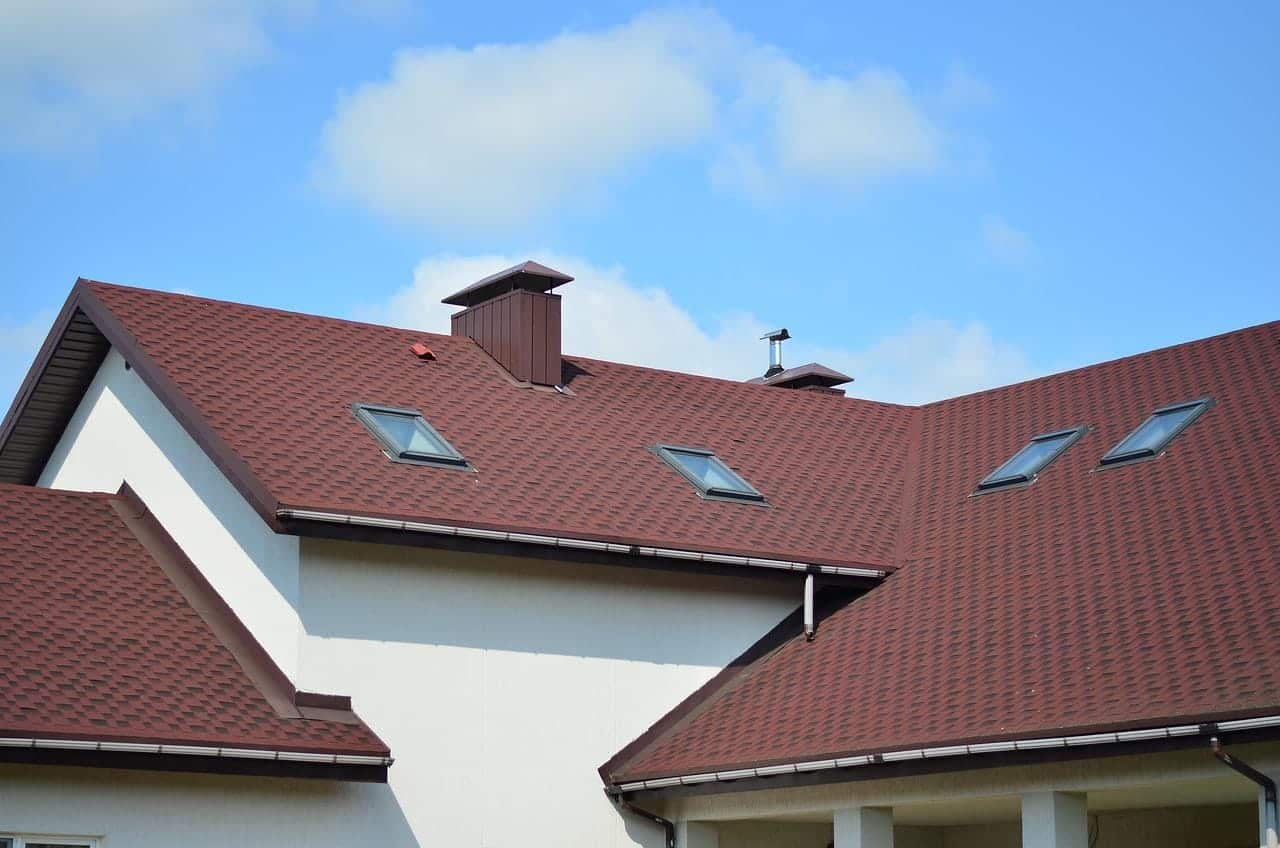
To get the most out of your solar attic fan, it’s important first to understand one key element: roof pitch angle. Some people may look at size or watts when it comes to solar attic fans, but the roof slope can be even more important to how well your Remington Solar attic fan ventilates your home and captures solar energy.
A roof angle calculator removes the guesswork involved with calculating the roof angle so you can make informed decisions about solar attic fan placement and maximizing performance. For homeowners planning a DIY installation or contractors working with clients, roof pitch measurement can go a long way towards better ventilation efficiency and energy savings.
Tools and Methods for Calculating Roof Pitch
Measuring your roof pitch is simple and doesn’t require specialized tools or extensive experience in construction work. There are several methods you can use to measure the roof slope, and some are easier and more accurate than others.
Using a Roof Pitch Calculator
For quick and accurate results, nothing beats a roof pitch calculator. This easy-to-use digital tool will give you your roof pitch in various formats: degrees, percentage, and the traditional x:12 ratio used in the construction industry, with just two simple measurements. All you need to do is measure the vertical and horizontal dimensions of your roof (the rise and run) and enter the numbers in the calculator.
Most good roofing calculators will also provide additional useful data, such as rafter length and conversion charts, so they’re a handy tool for planning solar attic fan installations. The primary benefit of using digital calculators is the ability to instantly convert between different measurement systems without having to do any manual math, thus avoiding potential mistakes.
Manual Measurement Techniques
All you need to measure a roof’s pitch are a level, a measuring tape, and the ability to do some basic arithmetic. Place a level horizontally against the roof surface and place a mark where the end of the level is sitting. Measure 12 inches along the length of the level from that mark on the roof, and measure vertically from the end of the level down to the roof surface. The vertical measurement is the roof rise, and 12 inches is the run. That is your pitch ratio. The method involves calculating a roof pitch directly on the roof itself, provided it is accessible.
Alternatively, you can use a carpentry calculator to figure out the roof pitch. You can enter the dimensions that you do know, such as rise and run, and it will calculate the pitch ratio to as many decimal places as you like.
Speed Square Usage
Professional roofers often use speed squares for quick and precise pitch measurements. Speed squares are triangular tools with built-in angle markings and pivot points. To measure the roof pitch, place the speed square against the roof surface with the pivot point at the roof edge.
You can read the roof pitch directly from the graduated markings on the speed square. Speed squares are great when digital tools aren’t practical, such as in active construction settings or when measuring multiple roof areas quickly. Contractors commonly use these to determine roof pitch while giving on-site estimates.
Online Platforms and Apps
Many modern smartphone apps can also measure roof pitch using the sensors and camera on the phone. Some rely on a built-in level to take direct angle measurements, and others use photos of the roof to calculate the pitch automatically. Accuracy is still subject to human error, so for important uses such as sizing a solar attic fan, it’s wise to confirm with a conventional measurement. These methods are most appropriate for screening or preliminary sizing prior to making direct measurements.
Standard Roof Pitches and Conversions
The following roof pitch category descriptions can help you to better understand how your roof pitch measurement might compare to typical roofs. You can also get a general idea of solar attic fan design traits associated with these categories.
Common Roof Pitch Ratios
Flat roofs are 1/2:12 to 2:12 (approximately 2% to 17%). Flat roofs are nearly horizontal, which is by definition a roof pitch of 0:12, but add a slight pitch to roofs so water will run off. Installation on a flat roof can be difficult for solar attic fans, but this pitch can be an advantage, as it tends to have an even level of sun exposure throughout the day. Low-pitched roofs are 2:12 to 4:12 (17% to 33%). This is a standard roof pitch on ranch-style homes and commercial buildings. These pitches are also fairly accessible, but depending on the local climate, they may need special waterproofing for penetrations such as a solar attic fan mount.
Conventional roofs are 4:12 to 9:12 (33% to 75%). Most residential homes are in this roof pitch range, which is also a good solar range for the collection of solar energy by solar attic fans while still being fairly accessible for installation and maintenance. High-pitched roofs are greater than 9:12 (75%). Many colonial and Victorian-style homes are in this range. The steeper pitch can be an advantage in certain orientations for solar collection, but it may require special mounting hardware and professional installation.
Conversion Charts for Different Measurements
It’s important to know how to convert from one measurement system to another, especially if your specifications are for a different manufacturer than the one you choose to purchase from. For example, a pitch of 6:12 is the same as 26.57 degrees or about a 50% slope. A 30-degree angle on a roof is about a 7:12 pitch or a 58% slope. Experienced contractors have these conversions memorized, but for everyone else, online calculators remove the guessing and minimize mistakes.
How Does the Roof Pitch Affect a Solar Attic Fan’s Performance?
Roof pitch affects solar attic fan efficiency by altering the angle of solar energy collection and airflow patterns. Ideal roof angles vary by region, typically 30-45 degrees for most U.S. areas, but may require adjustment for local climate and latitude. Colder climates benefit from steeper pitches, enhancing winter solar gain and natural ventilation. Hotter regions perform better with flatter pitches, optimizing summer efficiency and reducing heat intake. Adjusting placement and tilt can help maximize efficiency in varying conditions.
Maximizing Your Solar Attic Fan Investment
Understanding your roof pitch can help with overall solar attic fan performance. Accurate measurements also help with fan placement and size. Consulting ventilation experts can improve performance and reduce maintenance. Contact us at Remington Solar for tailored solutions to maximize energy efficiency and comfort year-round.