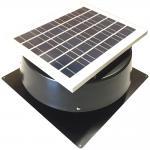
Choosing The Right Fan

How Many Solar Attic Fans Do I Need?

Blue graphic image of a barn, greenhouse, and a chicken coop.
Blue graphic image of a house.
Blue graphic image of an RV and a boat.
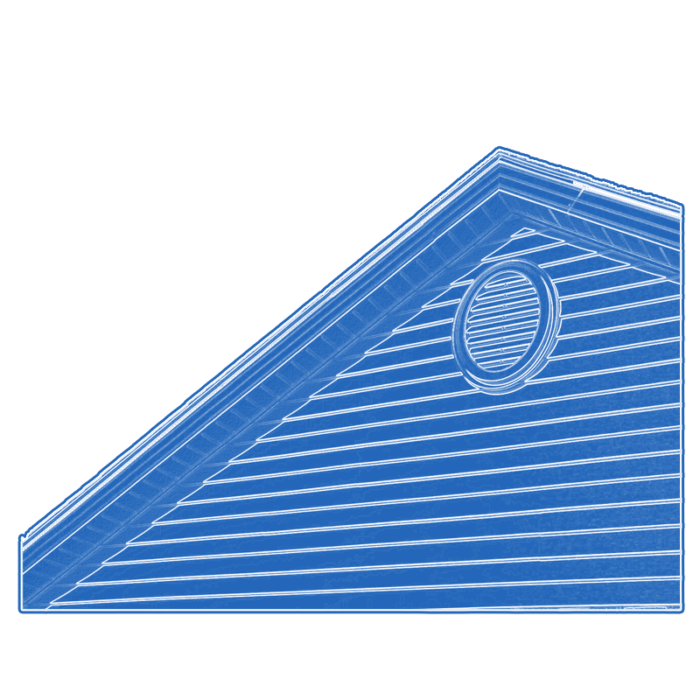
Blue graphic image of the front/ top of a house.

Select the dropdown below for guidance on which Remington Solar fan is right for you. Feel free to give us a call at 888-978-258 or email us at support@remingtonsolar.com if you have any questions.

Explore our standard features here.

For the Home Attic

Attic Size Suggested Fans
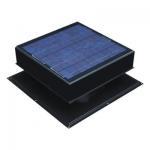
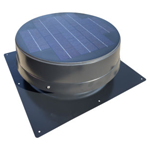
800 sq. ft. A black Remington Solar attic fan.  (1) 20 Watt
1,200 sq. ft. A black 20-watt solar attic fan. (1) 20 Watt
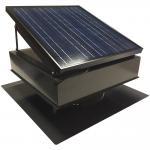
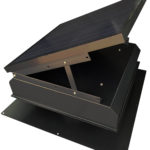
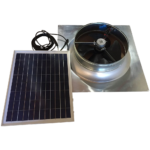
2,000 sq. ft. A black solar attic fan with the solar panel angled up. (1) 30 Watt
2,400 sq. ft. A black solar attic fan with the solar panel angled up. (1) 30 Watt
2,800 sq. ft. A black solar attic fan with the solar panel angled up. (1) 40 Watt
3,200 sq. ft. A black solar attic fan with the solar panel angled up. + A black 20-watt solar attic fan. (1) 40 Watt + (1) 20 Watt
3,600 sq. ft. A black solar attic fan with the solar panel angled up. + A black solar attic fan with the solar panel angled up. (1) 40 Watt + (1) 30 Watt

CONSIDER THIS

Do you have gable access to your attic?

Many homes already have a gable vent, and if they don’t installation is super easy. Our gable fan is a great alternative to the 20 Watt fan recommendations in the chart.

GABLE FAN Can Replace
A black Remington Solar attic fan. OR A black 20-watt solar attic fan. (1) 20 Watt
Purpose Suggested Fans
Patio Fan 1 or more
PURPOSE SUGGESTED FANs
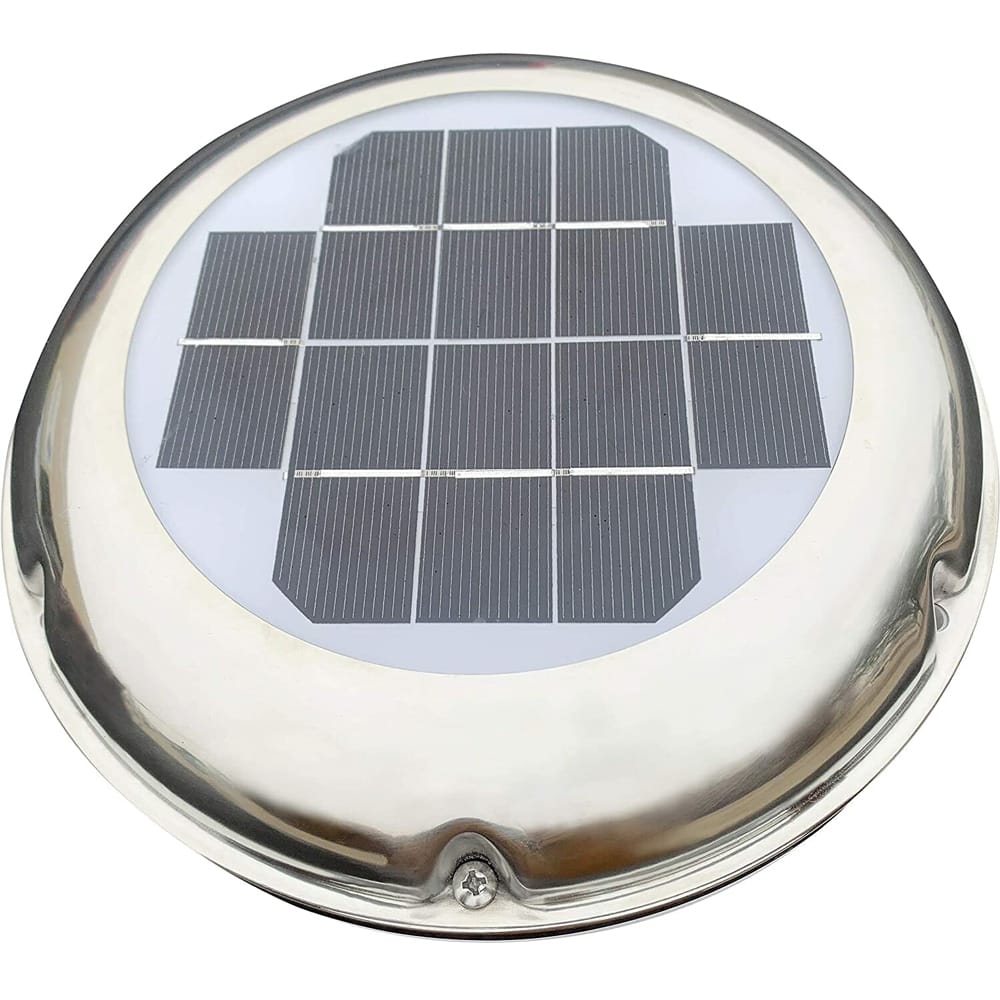
Boat, RV, Camper ventilation   Dual-direction fan
For Best Results + (2) 1 vent fan, 1 intake fan
PURPOSE SUGGESTED FANs
Hobby Greenhouse Less Than 100 sq. ft.
Purpose Suggested Fan
Storage Shed Image of our 10-watt solar attic fan.  (1) 10 Watt
Small Shed A black 20-watt solar attic fan. (1) 20 Watt
Large Shed A black solar attic fan with the solar panel angled up. (1) 40 Watt
Small Chicken Coop + (2) 1 vent fan, 1 intake fan
Large Chicken Coop Image of our 10-watt solar attic fan. (1) 10 Watt
Shipping Container A black solar attic fan with the solar panel angled up. (1) 40 Watt


FAQs

The size of your attic typically determines what size attic fan you need. The more attic space you have, the more powerful the fan you’ll need to ventilate the area effectively. A good rule of thumb is to multiply your attic’s square footage by 0.7. This will give you the minimum CFM rating you need to ventilate your space. For example, a 1,500 square-foot attic needs a fan with a CFM rating of about 1,050 to be safe.

You may need a more powerful fan than average if you live in an especially hot, humid, or sunny climate. Your needs could also vary based on whether you’re installing a gable-mounted attic fan or a roof-mounted fan. While roof-mounted fans tend to be more energy-efficient, they can also be more complicated to install. Both types of fans work, though, so feel free to choose whichever works best for your space and ventilation needs.

If you’re having trouble deciding, you may want to talk through the issue with an installation professional. They can help you understand the subtle pros and cons of different fans to find the ideal fit for your home and the regional climate. This can help you make an optimal choice so you save as much as possible on energy throughout the lifespan of your new attic fan.

Yes, solar fans can work very well in detached garages, workshops, and storage-type buildings. They increase ventilation, which can reduce temperatures, manage moisture, and keep away fumes and heat. Even if your structure doesn’t have a proper attic space, you can still use a roof or wall-mounted fan. You may just need to create an opening in the building during the attic fan installation process.

If you’re wondering what size fan you need, you can multiply your space’s square footage by 0.7. Or, if you want to simplify the process, just use an attic fan size calculator to do the math automatically.

Consider updating your sealant as part of the installation. Attic fans can keep your garage or detached building cooler. But you can lose that benefit if the space isn’t adequately protected from the elements. For the best results, recheck your structure’s sealant annually (especially after severe weather). This will help you get more value out of whatever fan you install.
Yes, solar fans can absolutely work in RVs, boat cabins, and other mobile spaces. You’ll just want to choose a compact model designed for tight spaces or mobile use. Models with a smaller CFM rating are typically sufficient for these tight, enclosed spaces.

Avoid using fans that are too powerful for the area. This can decrease energy efficiency while creating excessive noise and airflow. It could also lead to humidity problems and potentially cause short cycling.

Another factor to consider is how you’ll power the solar fan in your mobile application. Traditional attic fans rely on solar panels, but you may need a special solution for RVs and boats, which tend to have more curved surfaces. Consider pairing your solar fans with flexible panels to accommodate your structure.

You can also remove flexible solar panels from your boat or RV when they’re not in use. This reduces the risk of theft, helping to keep the interior of your space ventilated without giving you something new to worry about when you walk away.

Greenhouses have special ventilation needs, which impact the kind of solar fans you should use in them. The primary concern in these spaces isn’t necessarily ventilation. It’s often preventing moisture and heat build-up, which can harm plants if left unchecked.

For the best results, focus on fans with moisture-resistant housing. These can operate effectively in greenhouses without experiencing the kind of damage that can decrease a fan’s usable lifespan.

You can also prioritize fans with built-in humidity sensors and thermostats. These models can automate ventilation as interior conditions change, helping to keep your greenhouse just how you need it to achieve your goals.

Consider using an attic fan calculator to find the right size fan for your space. You may also need to install attic vents as part of the installation process, which could get complicated depending on what material your greenhouse is made of. But a professional can guide you through this if you need support. They can also help you decide how many attics you need if you have a larger space.

Yes, solar fans can be very effective in small spaces like sheds and chicken coops. They can help your animals stay comfortable by keeping interior temperatures and humidity levels contained. The ventilation they provide can also help to control odor and prevent mold in these spaces. A fan could even help to protect your tools from moisture damage.

That being said, you may not have any attic space in your shed or chicken coop. So, wall or roof-mounted fans will likely work best. You can review our attic fan size chart if you need help choosing the right model for your space.

During installation, you’ll want to position the fan’s solar panels to receive maximum sunlight. That means keeping them out of shade created by nearby trees, buildings, or roof overhangs. This could impact whether you should install a roof-mounted or wall-mounted fan, so try to decide on positioning before making your purchase.

Noise is another factor that can be problematic in these small structures. If you use a fan that’s too powerful, it could make the space very loud. This could be an issue if it stresses out your animals or disrupts your peace in a hobby space, like a workshop. So, double-check our attic fan size guide to make sure you find the right fit.