Will a Solar Attic Fan Work on My Roof? A Breakdown by Roof Type
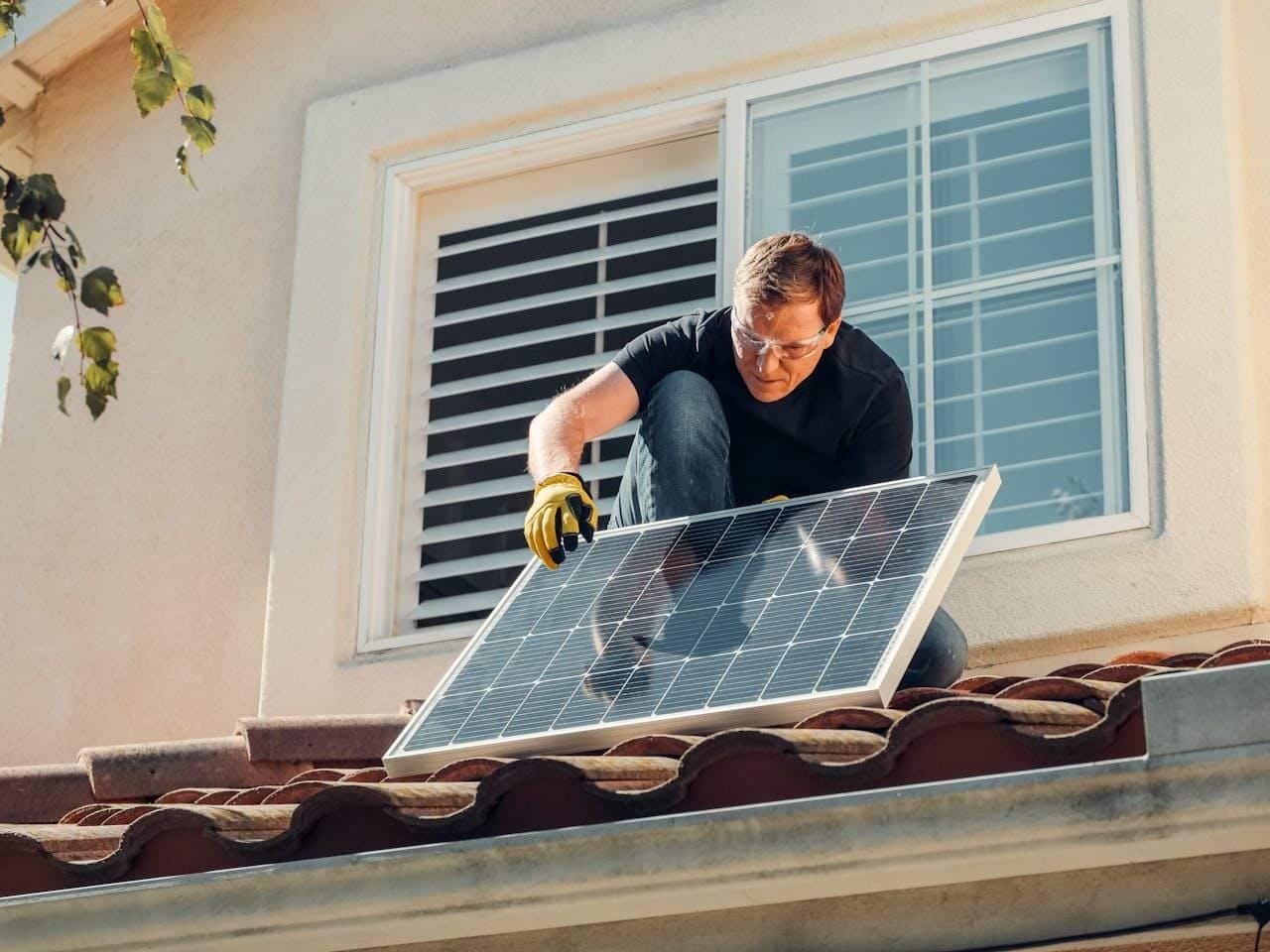
Solar attic fans draw their power from solar panels mounted on your roof and circulate air in your attic space, drawing out hot air from your attic and reducing heat buildup. This can reduce your air conditioning system’s workload, lowering your energy bill. Even better, since the fans are powered by solar panels, operating costs for the fan itself are zero.
Reducing heat buildup also helps keep excessive heat from damaging the roofing material, prolonging your roof’s life. You can also expect less moisture and mold damage, thanks to the improved ventilation, saving you a costly repair or roof replacement.
That said, while most solar attic fans work effectively on multiple roof designs, your specific roof type can impact the benefits you receive from your fan. Let’s take a closer look at how different roof styles affect how well a solar attic fan works in your house and the installation factors to consider before investing in a fan.
Understanding Roof Types
How does your roof type affect your solar attic fan’s performance? Let’s examine some common roof designs and see how factors like roof orientation, angle, and shading impact where you can place a solar attic fan.
Gable Roofs
A gable roof has two sloping sides that connect on top, forming a triangle or “gable.” This common design often comes with gable vents on the triangular upper sections of the gables, which help ventilate your attic space by allowing air to flow in and out.
Your solar attic fan can help enhance this airflow by exhausting even more hot air from your attic. Meanwhile, soffit vents located beneath the eaves of your gable roof will allow cool air to enter the attic, reducing the temperature of your home. However, you want to make sure not to position the fan too close to the vents, as this can disrupt airflow patterns and create faulty ventilation. The fan itself is typically mounted on your roof’s ridge, away from any shaded areas that can potentially block sunlight.
Hip Roofs
A hip roof slopes upward on all four sides to form a peak, giving your roof a pyramid-like shape. The top of your roof may have a limited or non-existent ridge. Each sloping section of the roof is called a “hip.”
A hip roof will usually provide less attic space compared to houses with gable roofs since the sides all slope inwardly. To remove hot and moist air from the attic, hip roofs have “hip vents” that are installed along the hips of the roof to create a continuous ventilation path.
Since hip roofs lack a continuous ridge on top (where solar attic fans are typically installed on gable roofs), your fan will usually have to be installed along the hips or near the highest point of the roof. Again, make sure the location is away from trees or items that can cast shade on your solar panel.
Flat Roofs
While a flat roof may look like it’s mounted horizontally on your home, this roof type has a slight slope to keep rainwater and melting snow from accumulating on your roof and causing leaks and damage. Despite this, flat roofs are more susceptible to drainage issues compared to gable and hip roofs that have more pronounced slopes.
For this reason, you’ll want to make sure your fan doesn’t accidentally impede the flow of water off your roof or create pathways for water to enter your attic. You’ll also want to install your fan on the south-facing side of your roof, away from any potential shading, to maximize sun exposure.
Gambrel Roof
If your roof is shaped similarly to a barn, with two shallow upper slopes and steeper lower slopes, then you have what’s called a gambrel roof. This roof design maximizes your attic space while its exterior design helps with water runoff.
However, the multiple angles can make roof maintenance, repairs, and fan installation more complex. The unique roof shape also translates into an attic with several ridges and peaks, which can create stagnant airflow, requiring additional vents to allow for better ventilation. In addition, the steeper lower slopes of the roof can create shading, which can prevent your solar panel from getting enough sun. Installers should find a spot on the flatter upper slope for the panel.
Mansard Roof
Sometimes called a “French roof” or a “curb roof,” a mansard roof is a four-sided roof with two slopes: a gentle, upper slope and a steeper lower slope on either side. This roof type helps maximize your interior attic space. Many mansard roofs also come with dormer windows on the top floor to add more light.
However, the multiple slopes and angles of the mansard roof can cause it to collect snow and rain, creating the potential for leaks. The roof design also creates challenges for cleaning, repairs, and installation, making mansard roofs more expensive to maintain than other roof types. Securing a solar fan on the steeper slopes can pose safety risks, and vents may need to be installed in the lower face of the roof to provide better airflow and durability.
Shed Roof
Contemporary and minimalist-style homes often have shed roofs, which have a single sloping surface, in contrast to the multiple sloping sides of traditional roofs. This sloped roof type is easy and cost-effective to install, and the single slope can be given a steeper pitch to help with water drainage.
That said, shed roofs with a low pitch can make it harder to install a solar attic fan. Fans also can’t be installed too low on the roof or in shaded areas, which can keep them from getting access to sunlight and functioning properly. In addition, the size of your home and attic space needs to be considered when selecting a fan, to make sure you choose a fan that’s not too small or too large to ventilate properly.
Installation Considerations
From roofing material to climate conditions, homeowners need to consider multiple factors when deciding if installing a solar attic fan is feasible and cost-effective. Keep the following potential issues in mind:
Roofing materials
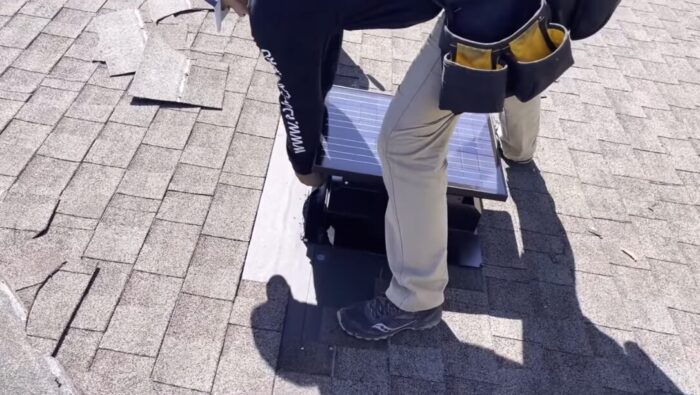
What is your roof made of? While roofs that have asphalt shingles make solar attic fan installation straightforward, other roofing materials are more problematic. Tile roofs made of clay or concrete, for example, have gaps and overlays that make them more vulnerable to water leaks. To prevent water damage, installers may need to use a flexible membrane to flash and create a watertight seal around the fan.
Likewise, houses with wooden roofs may not be suitable for solar panels due to the flammability of wood. Check with your municipality to see if they allow solar panel installation, and be sure to install all recommended flashing to weatherproof your roof.
Finally, roofs made from darker materials can absorb more heat, making your attic hotter and limiting the effectiveness of your fan. Having a roof made of lighter colored materials can reduce heat absorption and improve overall home energy efficiency.
Climate and Elevation Considerations
We’ve touched briefly on the importance of placing your solar panel and fan in an area that gets maximum sun exposure and minimum shade. However, your region’s overall climate also plays a big role in how effective your fan can be.
Regions with abundant sunshine can supply your fan with good sources of power and combat the hotter climate. In addition, if you live at a higher altitude, your solar panels can receive more sunlight, improving energy efficiency.
By contrast, places with a lot of cloudy days can limit how effectively your solar attic fan removes hot air, even if you invest in a backup battery. All this needs to be taken into consideration, even if you can install a fan in a roof area that receives adequate sunshine.
Roof Size
How large is your roof, and by extension, your attic? Bigger attics need more powerful or possibly multiple fans to properly ventilate the area. If you find you do need more than one fan, you’ll want to provide sufficient space between them to optimize your airflow and allow for even ventilation.
Sealed vs. Unsealed Attics
Is your attic sealed or unsealed? Sealed or unvented attics are insulated and air-sealed at the roofline. This prevents air and moisture from entering or leaving the attic and helps maintain a more stable temperature and humidity level within the attic. Sealed attics are more energy efficient, leading to lower utility bills even before you install a solar attic fan.
By contrast, unsealed attics have gaps and openings that allow conditioned air from your living spaces below to leak into the attic. This means your solar attic fan can draw out conditioned air from your home, increasing your energy bills and straining your cooling system. Thus, it’s very important to seal your attic before you install a solar attic fan.
Installation Costs
Solar attic fan installation costs anywhere from $300 to $1,400. However, beyond basic installation, you may have additional expenses linked to extra services, such as:
- Complex installation costs that involve installing more venting or cutting parts of the roof
- Additional flashing materials or extra wiring
- Permit and inspection fees
- Higher-capacity fans for larger attics
Check to see what labor costs are for solar attic fans in your area before investing in a fan. Remington Solar offers installation services to those in Dallas, TX, and surrounding areas. Keep in mind that, over time, your lower energy bills can lead to greater savings.
So, Will a Solar Attic Fan Work on My Roof?
While solar attic fans offer many benefits and can work on many roof types, metal roofing and roofs made of asphalt shingles tend to work especially well with solar attic fans, provided you use proper sealing and flashing techniques to prevent leaks. Light colored roofs and roofs in areas with adequate access to sunlight can also enjoy regular benefits from solar-powered attic fans.
On the other hand, tile roofs can create many issues for installing a solar attic fan, thanks to the need to remove and replace the tiles. Darker roofs can create higher attic temperatures, limiting your energy savings, while roofs with heavy shading can compromise your fan’s performance. Keep in mind that roof types that offer poor attic ventilation are also at a disadvantage when working in conjunction with a fan.
Selecting a Solar Attic Fan for Your Roof Type
Solar attic fans help keep your home at a more comfortable temperature while also preventing heat, mold, and mildew damage. They also provide many long-term financial benefits by saving you money in energy costs. And since the fans draw their power from the sun, you’ll be using clean energy at no ongoing cost.
That said, it’s important to assess your roof and housing structure before investing in a solar attic fan. Certain roof types, such as those made of wood or darker materials, are less compatible with solar attic fans and can limit your benefits. You also want to make sure your attic is properly sealed before installing a fan to make sure it doesn’t draw conditioned air from your home and raise your energy bills.
If you’ve determined that a solar attic fan is right for your roof type, then Remington Solar can supply and install a solar-powered attic fan that’s right for your home. Visit our website to learn more about our quick and easy installation process and view our comparison chart to discover which fan is right for you.