Commercial Buildings & Solar Attic Fans: How to Improve Warehouse Ventilation Efficiency
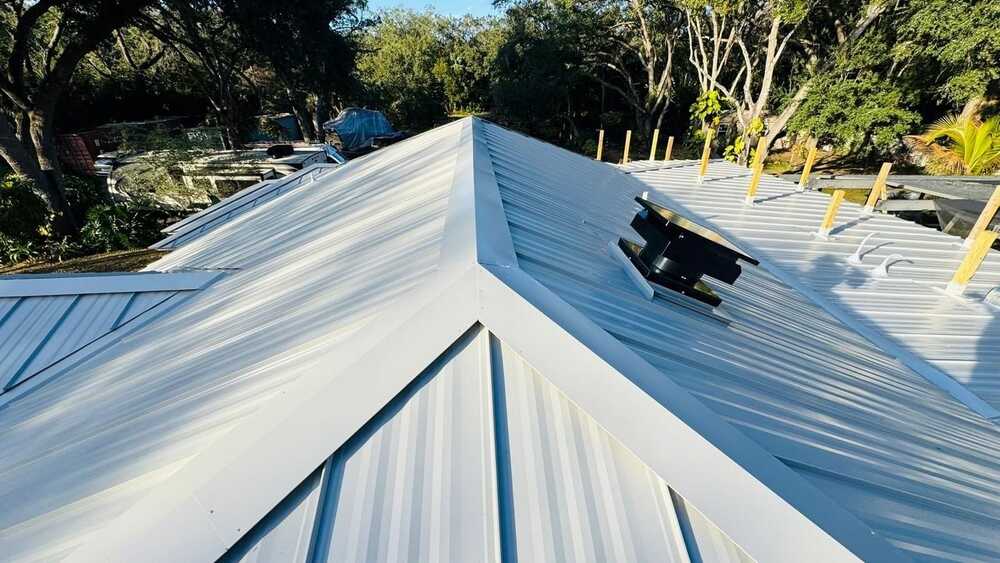
Poor ventilation in a warehouse makes working indoors miserable. It can also send utility bills soaring, create safety hazards, and ruin stored goods. Without a well-designed ventilation system, air stagnates, heat accumulates, airborne contaminants aren’t filtered out, and humidity settles into every corner, especially during summer months. That’s a perfect storm for substandard indoor air quality, reduced employee productivity, and even health and safety standard violations.
Industrial ventilation systems aim to maximize air circulation and temperature control without draining resources. In big buildings with high ceilings and limited windows, that may be easier said than done, but it’s not impossible.
Key Components of Warehouse Ventilation Systems
Almost every warehouse ventilation system utilizes the following three main elements.
1. Intake Louvers
These metal slats are the first line of defense against stale air. Intake louvers admit fresh outdoor air and allow for natural ventilation. They work well in conjunction with exhaust systems. They also keep out rain, pests, and debris.
Most louvers are adjustable, giving warehouse managers more control based on weather or occupancy levels. Strategically positioned louvers can direct air flow where it’s needed and reduce the load on mechanical systems.
2. Exhaust Fans
Exhaust fans pull hot, contaminated, or humid air out of the building and replace it with cooler outside air. You’ll often see a roof-mounted or wall-mounted exhaust fan in large buildings.
Adding solar attic fans makes a noticeable difference in buildings with attic space or high ceilings. Because these fans use solar power, they kick in when the sun heats the roof the most, which is exactly when you need them to push out the most hot air.
3. Air Filtration Systems
Filtration is essential for protecting workers and products. A good air filtration system catches dust, allergens, and other airborne contaminants before they spread. In addition to maintaining good indoor air quality, it also reduces wear and tear on other ventilation equipment.
Effective Ventilation Strategies
When planning your warehouse ventilation strategy, consider how air moves throughout the day in your building and how the outside environment affects it.
Removing Hot Air During the Day
Without proper ventilation, warm air naturally collects at the top of the warehouse and raises the overall temperature. Because solar attic fans kick on when solar radiation peaks, they work the hardest when the warehouse needs it most. Doing so reduces the strain put on cooling systems and helps to maintain comfortable conditions.
Utilizing Cold Nighttime Air
When outside temperatures drop at night, intake louvers and low-speed fans draw in cool air and flush out accumulated hot air. In turn, the HVAC system doesn’t have to work as hard in the morning.
Some industrial ventilation systems automatically switch between daytime exhaust and nighttime intake modes for maximum circulation.
Managing Humidity Levels
Humidity makes workers uncomfortable, damages inventory, and increases the risk of mold and corrosion. Proper ventilation helps keep humidity in check by removing moist air and bringing in drier outside air.
Desiccant systems or dehumidifiers can help, but they work best when combined with good air circulation. By constantly moving air in the warehouse, you can prevent localized dampness and keep humidity from building up in dead zones.
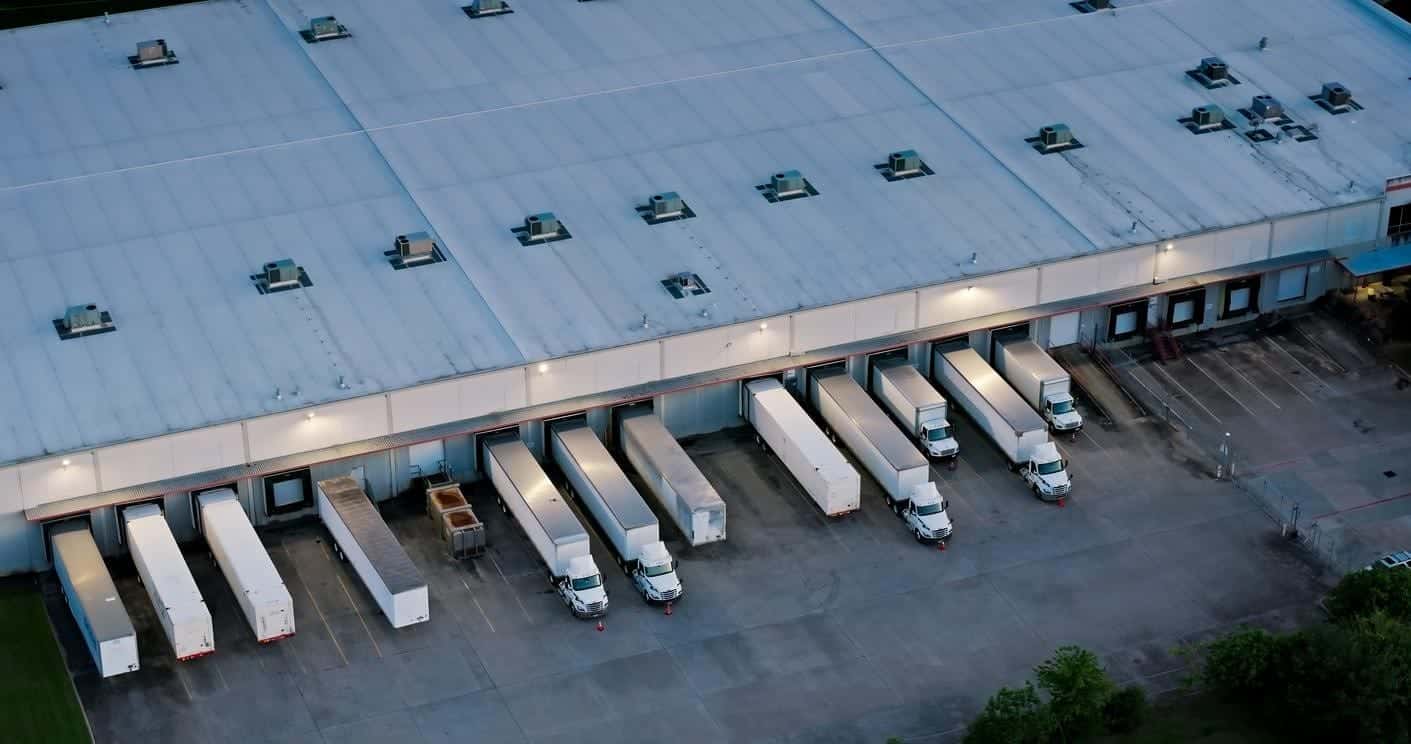
Expert Advice on Ventilation Layout and Airflow Patterns
One common warehouse ventilation mistake is to overlook the airflow path. Even the best equipment in the world will fail if the air isn’t moving in the right direction.
Importance of Strategic Planning
Planning your warehouse ventilation layout involves identifying where fresh air enters, where stale air exits, and how it moves between the two locations. Intake louver placement, fan capacity, and ceiling height should all work together.
A well-thought-out design prevents air from short-circuiting. This occurs when intake air goes straight to the exhaust vents without ventilating the entire space. With some strategic planning, you can maintain consistent air quality across the warehouse.
Tips for Comprehensive Ventilation Solutions
Here are a few warehouse ventilation tips from the pros at Remington Solar:
- Avoid placing exhaust fans directly across from intake louvers. A diagonal placement encourages full-room airflow.
- Use high-volume, low-speed fans to move air gently and constantly.
- Add solar attic fans if the building has an uninsulated roof space. These fans will reduce thermal gain with minimal operating costs.
- Check airflow with smoke tests or sensors to confirm that no part of the warehouse is being left out.
- Don’t forget zoning. Different warehouse sections have different needs.
Smart Upgrades That Pay Off Over Time
You don’t necessarily need a full system overhaul to improve your warehouse ventilation. You can see a massive difference by adding a few solar attic fans or rethinking airflow paths. Investing in proper ventilation reduces energy costs, protects equipment, and creates a safer environment for everyone inside.
For more information about solar attic fans, attic insulation, and more, contact Remington Solar today.